
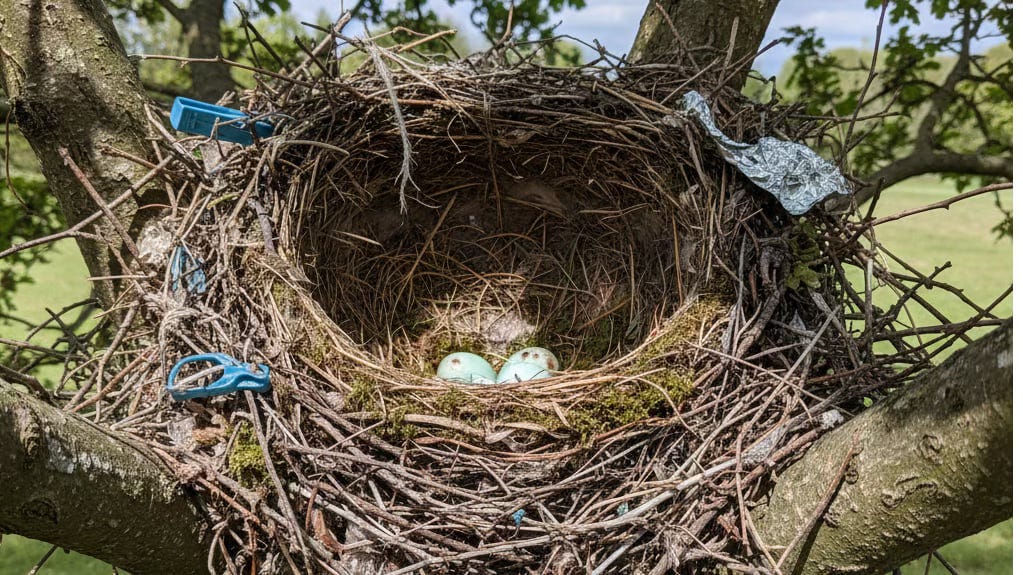
Watch a magpie build its nest and you’ll see a creature that refuses to be loyal. Magpies are thieves with taste. They don’t commit to one tree or one yard. Instead, they scavenge, hopping from fence post to garden to parking lot, selective about what catches their eye. A shiny wrapper from the parking lot, a bit of wire from the construction site, a lost button from the playground. Each scavenged bit comes from somewhere different, and none of it matches.
Together, it builds something functional: a nest that works.
The magpie’s superpower isn’t finding one perfect source of materials. It’s knowing what to steal and what to leave behind. It takes what serves its purpose and moves on, building a nest from a dozen different places.
This is exactly how I approach productivity. Not committing to one system, but stealing the best pieces from everywhere. Being productive means different things to different people. Most productivity advice pushes you toward one ecosystem: Apple or Google, Notion or Obsidian. That’s the trap.
Breaking Free from the Algorithm
I use the app Reeder as my only view into social media and the news. It’s a finite feed, and once I read through it all, I’m finished. There’s no endlessly refreshing and pulling up new content that the algorithm thinks I might like. I read from people I want to follow and sources I want to learn from. This keeps me from wasting time endlessly scrolling through the news or slop of the day.
I’ve spent years on social media, RSS, and simply reading articles on the web. I’ve found sources that have come and gone. In doing so, I’ve resonated with certain writers, so I follow those writers wherever they contribute. Unfortunately, most still use some type of social media that doesn’t integrate with Reeder (looking at you, Instagram), which makes it difficult or impossible to see everything they post. I’ve learned that’s okay. I don’t have to see everything all my favorite people put online. If it’s something they find important, they’ll post multiple times or mention it somewhere else so I pick up on it. And if not, I simply don’t get that content. The world keeps spinning.
When I first switched from an algorithmic feed to a finite one, the biggest change I noticed was how much time I gained in my day. I had set up lists on Twitter to only see people I wanted to, but what did the app do when you first opened it? Go straight to the algorithmic timeline. And of course, something interesting was at the top of the list, and away I went scrolling down to get another hit of dopamine.
I borrowed the best of online social connection while rejecting the algorithmic trap.
Scavenging Software That Works
As I stated in a previous post, I’m using Setapp. This post contains paid links. If you purchase Setapp through my link, I receive a commission at no extra cost to you. This allows me to test many different applications to find what suits me best for one subscription. The Magpie approach to software means I don’t have to commit to one ecosystem. Instead, I use Setapp to find different applications that serve different aspects of my life.
I write my posts in Ulysses, which is part of Setapp, because I like the way I can have material articles marked as references for my posts. The design is minimalist while having Markdown support. I brought this into my workflow after testing Obsidian, Notion, and others. I learned that I don’t like block-based text editing and love writing in Markdown.
Another app that’s part of Setapp is Craft. I use this tool to keep up with work projects. I like it because I’m able to create a Notion-style database within a document. This allows me to keep my tasks together and see visually where the project currently is. I’ll dive deeper into these tools in the future.
Your Turn
Productivity isn’t about finding one perfect system that solves everything. It’s about being a Magpie: picking the best bits from various sources and building a workflow that actually serves your life instead of consuming it. Take a look at your own digital diet this week. Are you scrolling through an endless algorithm, or are you intentionally choosing what to consume so you can get back to the things and the people that actually matter?
Build a nest from diverse sources instead of living in someone else’s pre-fabricated cage.